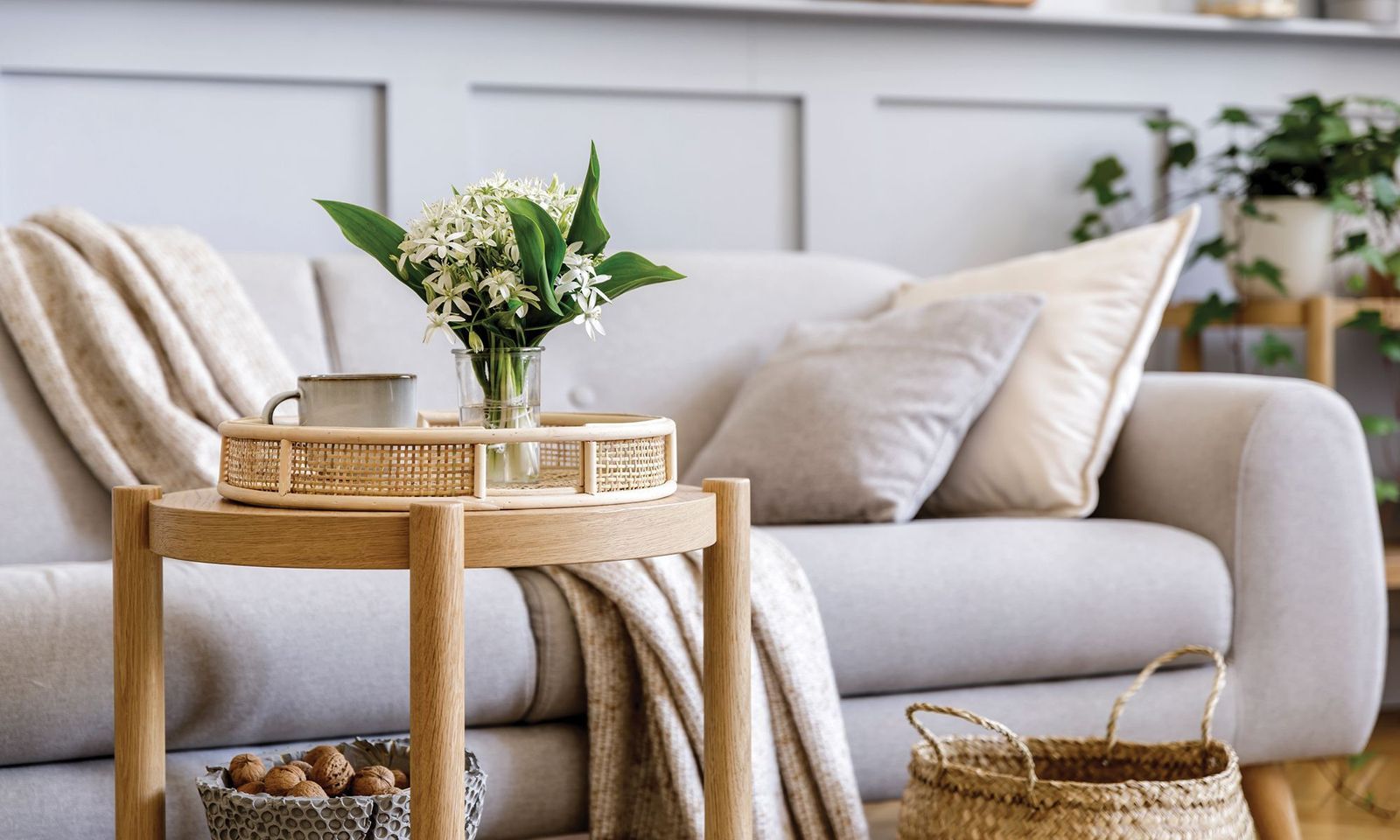
House styling for sale | DiJones
 Fact checked


If you are selling a family home, apartment, or investment property, how you style it is very important.
Home staging is a way of making your home look as attractive as possible to prospective buyers. It allows them to imagine living in the space, so showing it in the best (and right) light is essential.
In fact, well-staged homes can attract 5-10% higher offers and spend less time on the market.
You can save time – and could earn more money in the end – by hiring a professional to style your home. If you’re on a budget, you can also do it yourself and have some fun with it.
Our guide will showcase everything you need to know about styling and preparing your house for sale. You'll find it full of practical tips, expert recommendations, and insights on what works in today’s property market. And if you have any questions, please contact us today – we’re happy to help.
Key statistics about home staging
Let’s start with numbers. They tell a pretty compelling story about the importance of staging your home.
- Staged homes sell faster than those that are not staged.
- In Sydney, the cost of professional staging usually ranges from $2,000 to $8,000.
- The return on investment for home staging can add as much as between 7.5% and 12.5% to the value of a home.
What is house staging (and why does it matter)?
Staging your house means styling and decorating your property to give the right first impression when people view your home.
Home staging is often referred to as house styling or property styling. It is all about the buyer. The objective of styling to sell is to make the property more appealing to potential buyers. More specifically, it is to help them picture themselves living in the space.
How staging your home can help you sell faster (and for more money)
Buyers are looking for a home they feel emotionally attached to and invested in. Good property staging creates that connection. It makes it more likely a buyer will look at your property and say: “This is the one.”
You can choose to have your home staged professionally or to do it yourself. Either way, a fully styled property can significantly improve your chances of attracting buyers and receiving strong offers. This is evidenced by:
- Faster sales: Styled homes sell faster than unstaged ones.
- Increased sale price: Research shows that styling homes can boost a property’s price.
- Enhanced online presence: Staged homes photograph better. A styled space can receive more online views than an unstyled one. This naturally leads to more enquiries and inspections.
- Emotional appeal: Effectively staging a property makes it easier for people to visualise it as their new home.
- Competitive advantage: Good styling helps your property stand out against others that haven’t been as well presented.
Does styling your home cost a lot?
Styling can cost as little or as much as you want. However, the amount you spend should be influenced by the potential return on investment (ROI).
As a gauge, the national average for staging in Australia is between $1,500 and $8,000+.
The actual amount you spend will depend on how many rooms you are presenting, what materials you use, and whether you engage the services of a professional company.
Before committing to styling your home, it is worth contacting a real estate agent to understand how much value it can add.
DIY styling vs. hiring a professional: What’s right for you?
When it comes to staging your home for sale, you can choose to do it yourself or hire a professional.
Our advice in most cases is to hire a professional home staging company, at the very least for the essential parts, such as styling and decor.
A design team will take the pressure off you and can style your property without personal attachment. They have experience, know what works within a space, and can implement ideas you might not have considered.
Here is a brief overview of some of the main pros and cons of DIY vs. professional styling.
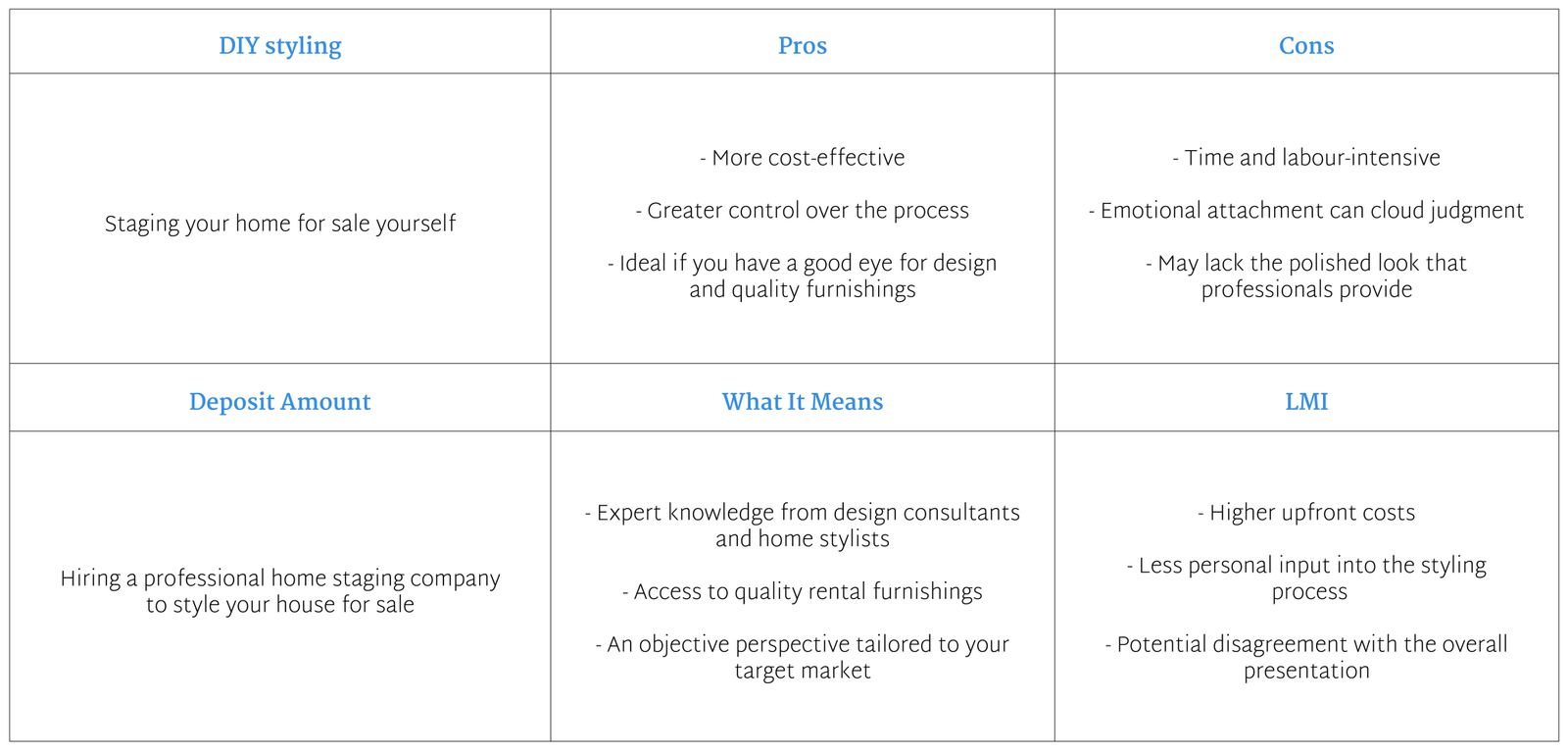
If you're unsure how to start the staging process, it is worth having a styling consultation. This allows you to benefit from professional advice without having to commit to paying for a full-service package.
A step-by-step guide for staging your home for sale
Whether you’re styling yourself or working with a professional, it is much easier to stage your home for buyers if you have a clear plan. Here’s a simple step-by-step guide to help get you started.
Step 1: Declutter and depersonalise
Step 2: Deep clean and refresh
Step 3: Define each space clearly
Step 4: Style with soft furnishings and décor
Step 5: Finish with curb appeal
Step 1: Declutter and depersonalise
Decluttering your house is a proven way to make your home look more appealing. In addition, depersonalising your space will help your buyer form an all-important emotional connection to it.
Try to create a neutral, inviting space in which buyers can imagine living. A good way to do this is to:
- Store away family photos, souvenirs, kids’ artwork, and magnets
- Remove excess books, toys, and hobby items
- Keep surfaces clean and clutter-free
Step 2: Deep clean and refresh
Once you’ve decluttered and depersonalised, you now have the perfect opportunity to deep clean. Clean your property from top to bottom and try to make everything look like new.
Part of this process is about making your space feel ‘fresh.’ Focus on:
- Cleaning windows, mirrors, and floors
- Repainting marked walls or fixing scuffed corners
- Airing out the home to remove lingering odours
Step 3: Define each space clearly
Each room needs to flow well and feel easy to move around in. To show buyers how they can use each area of the home, consider:
- Adding a desk to create a home office nook
- Setting up the dining table to define the dining area
- Removing any furniture that blocks flow or feels out of place
Step 4: Style with soft furnishings and décor
Decor is a difficult balance when staging a home. On one hand, you want to make the home look inviting. On the other, leaning too heavily into a theme or colour palette can put buyers off.
It is a good idea to use:
Neutral colours like whites, creams, greys, beiges, and taupes
- Match lamps, mirrors, and simple artwork to create balance
- Fresh flowers or greenery bring extra vitality into your home
Step 5: Finish with curb appeal
Curb appeal is everything. When a potential buyer drives up to your home, they see the exterior and make an impression before they walk through the door.
To create as good a first impression as possible:
- Mow the lawn, trim hedges, sweep paths
- Paint or wash the exterior walls
- Repair and paint the fence
4 budget-friendly styling tips to make your home stand out
You don’t have to spend thousands of dollars when styling your property. Instead, by making a few smart updates and focusing on presentation, you can make your home look polished and attractive to buyers.
Here are four budget-friendly styling tips to help your home stand out.
1. Focus on curb appeal
Buyers get a feel for your property the moment they set eyes on it. The better their first impression is, the more likely they’ll be to overlook drawbacks when viewing the home. Often, they’ve already decided to buy in their head.
Prioritise your outdoor area, as well as your entranceway.
2. Repurpose existing furniture
Staging a home doesn’t have to mean you have to buy new furniture. Instead, repurposing what you have can work just fine. And it won’t cost you a fortune.
Try adding new cases to pillows or reupholstering chairs. And when in doubt, a fresh coat of paint can do wonders.
3. Shop smart for decor
Not every piece of furniture needs to be bought new. You’ll be surprised how much character you can inject into your rooms with affordable decor from charity stores, bargain bins, and second-hand shops.
You just need to be willing to hunt around a bit for a good deal.
4. Let there be light(ing)
Natural lighting is totally free. So, open the curtains and leave the windows open. If there isn’t enough natural lighting in the property, add downlights or table lamps. Don’t forget about using mirrors to make the space look bigger and more airy.
Home staging: A room-by-room checklist to impress buyers
When it comes to staging your home, some rooms matter more than others.
Agents recommend focusing on key areas in this order: the living room, master bedroom, kitchen, and bathroom.
These are the spaces where buyers tend to form the strongest emotional connection, so it’s worth getting them right.
Use this checklist to guide your room-by-room styling efforts:
Living room
- Arrange furniture to show off the space and flow.
- Add soft furnishings in a cohesive colour scheme.
- Use lamps or mirrors to brighten darker corners.
Master bedroom
- Choose fresh, neutral bedding with layered textures.
- Style bedside tables with matching lamps or books.
- Remove clutter and keep wardrobes tidy.
Kitchen
- Clear benchtops completely (except for one or two items like a fruit bowl).
- Remove fridge magnets, personal notes, and excess appliances.
- Add fresh flowers or a clean tea towel for a pop of colour.
Bathroom
- Fold fresh towels neatly and clear all personal toiletries.
- Add a small plant, candle, or neutral soap dispenser.
- Ensure mirrors, taps, and tiles are sparkling clean.
Kids bedroom
- Keep styling simple and age-neutral.
- Store toys neatly in baskets or cupboards.
- Add soft lighting and a few calming decorative touches.
Outdoor areas
- Mow the lawn, trim hedges, and clean surfaces.
- Add outdoor seating or potted plants.
- Ensure front entry is clear, clean, and welcoming.
The bottom line
Staging or styling your house can be easy if you understand the process. In fact, all you need to do is:
- Declutter
- Depersonalise
- Deep clean
- Arrange furniture smartly
- Enhance with decor
- Keep the buyer in mind
- Include natural lighting
House staging is a manageable and even enjoyable process when you break it down into chunks.
Doing it can help sell your home faster. You can also increase the final sale price. Win-win.
How DiJones can help
We’ve helped hundreds of Australian home sellers get on and off the property market over the last few decades.
With our knowledge of property styling and property management, you'll be on your way to a sale in no time.
Check out our buying and selling guides that offer helpful information and guidance for selling real estate, assisting you throughout the selling process.
Looking to request an appraisal or need further help? Connect with us today. Our expert team is always on hand to provide support.
FAQs
What’s the difference between staging and styling a property?
These terms are often used interchangeably. However, styling typically refers to the design elements, such as soft furnishings, colour scheme, and layout, that are used to present the home.
Staging, on the other hand, is more about how you physically present the home. It may involve renting furniture or working with a design consultant.
Can I style my home without hiring a professional?
Absolutely. Many sellers use DIY styling tips from YouTube or relevant blogs to present their homes.
With a clear plan and attention to detail, you can do a great job of styling your property yourself. Especially if you already have quality furniture and décor to work with.
Is property styling worth the effort in a slower market?
In any market conditions, a beautifully styled home can help your listing stand out against the competition.
Buyers are drawn to clean, welcoming spaces where they can see themselves living. The better you can style your property to align with their vision, the more likely you will be to receive an offer.
Do I need to style areas like the laundry or hallway?
While they might not be the top priority, these areas of your home can still benefit from basic styling.
At the very least, it is important to keep them clean, well-lit, and clutter-free. This will help to maintain a good flow throughout the home.
Can interior styling help even if my home needs updates?
Yes. A consistent colour scheme, soft furnishings, and some nice little touches like fresh flowers can draw focus to the positives of your home. They can also help buyers look past minor flaws.
Disclaimer
DiJones Real Estate, together with their directors, officers, employees and agents have used their best endeavours to ensure the information passed on in this document is accurate. However, you must make your own enquiries in relation to the information contained in this document and seek advice from your financial advisor, broker or accountant to ascertain its application to your circumstances.
This information is provided subject to our Terms and Conditions.
Was this content helpful to you?